You want a custom home, and you want drawings that feel real. Settle the first decisions before design starts.

Custom Home Building Preparation in Seattle
read more

You want a custom home, and you want drawings that feel real. Settle the first decisions before design starts.

You have a Seattle lot and a townhome idea. Early planning tells you whether attached homes can fit before you pay for drawings.
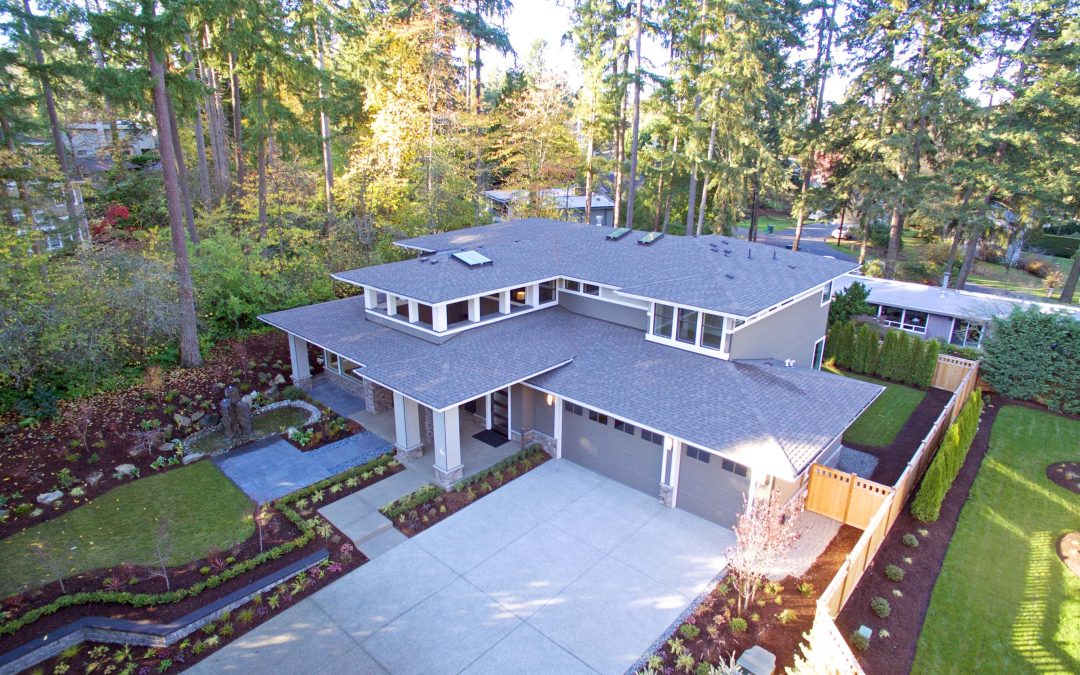
You have a Seattle lot and a two-unit idea. A site-first review tells you whether two homes can fit before you pay for drawings.

Planning a Bellevue backyard cottage starts with understanding your property, privacy needs, and design goals. Careful early decisions can help protect the character and function of your home.

A narrow Seattle lot can still support a practical DADU with careful planning. Compact layouts, vertical space, privacy, storage, access, and daylight all shape the design.

Water, sewer, power, drainage, and site access all shape a Seattle DADU project. Early planning helps you understand the work beneath the yard and behind the walls.

Planning a Seattle DADU for rental use takes more than choosing a floorplan. Smart layout, privacy, access, storage, and maintenance choices can shape long term value.
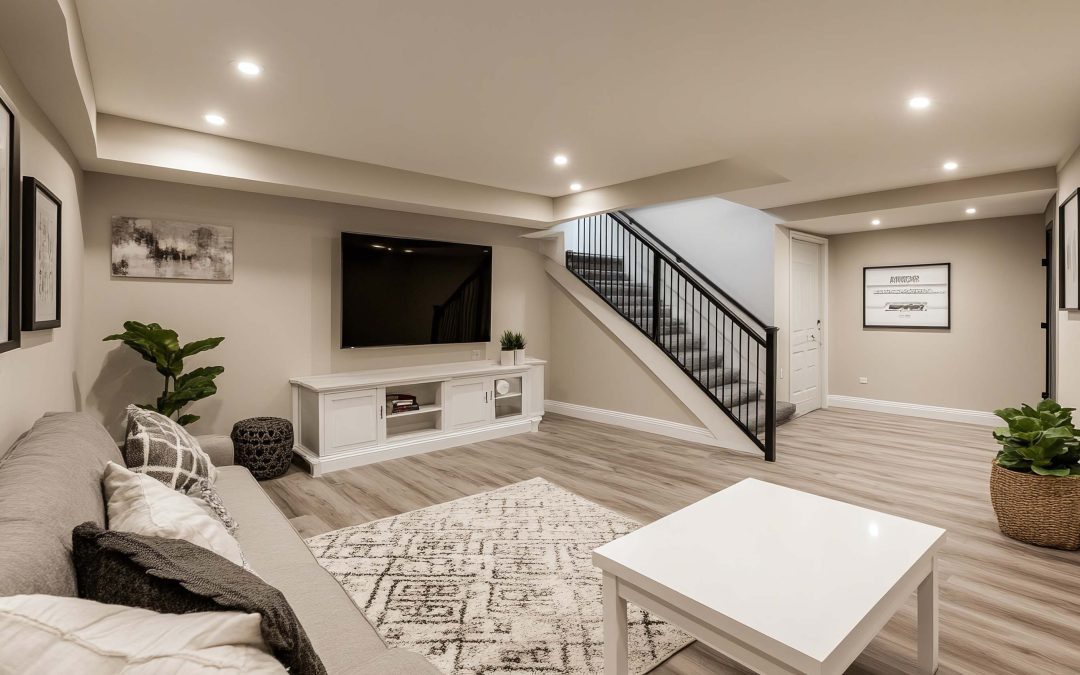
A Seattle basement ADU conversion can add useful living space when the home supports it. Learn when an attached unit makes sense and when a DADU may be the better path.

Before choosing a backyard cottage floorplan, your lot needs a practical review. Learn how access, slope, utilities, trees, privacy, and drainage shape a Seattle DADU project.
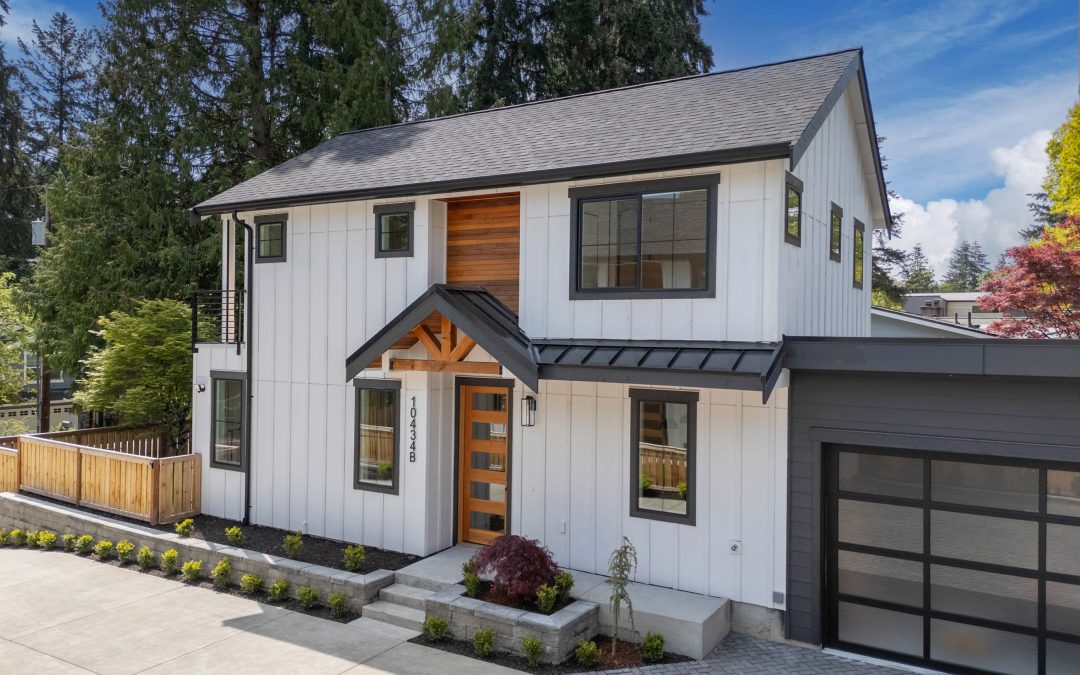
A DADU can help aging parents stay close while giving everyone more privacy and breathing room. Thoughtful planning makes the space more comfortable, flexible, and family focused.

West Seattle DADU planning works best when the lot drives the design. Learn how alley access, slope, lot shape, permitting, and smart layouts affect backyard cottage projects.

Seattle’s 2026 housing changes are reshaping how property owners approach ADU and DADU planning. From middle housing updates to size flexibility, parking relief, and budget considerations, the right strategy starts with a clear understanding of the lot and the long term goal.
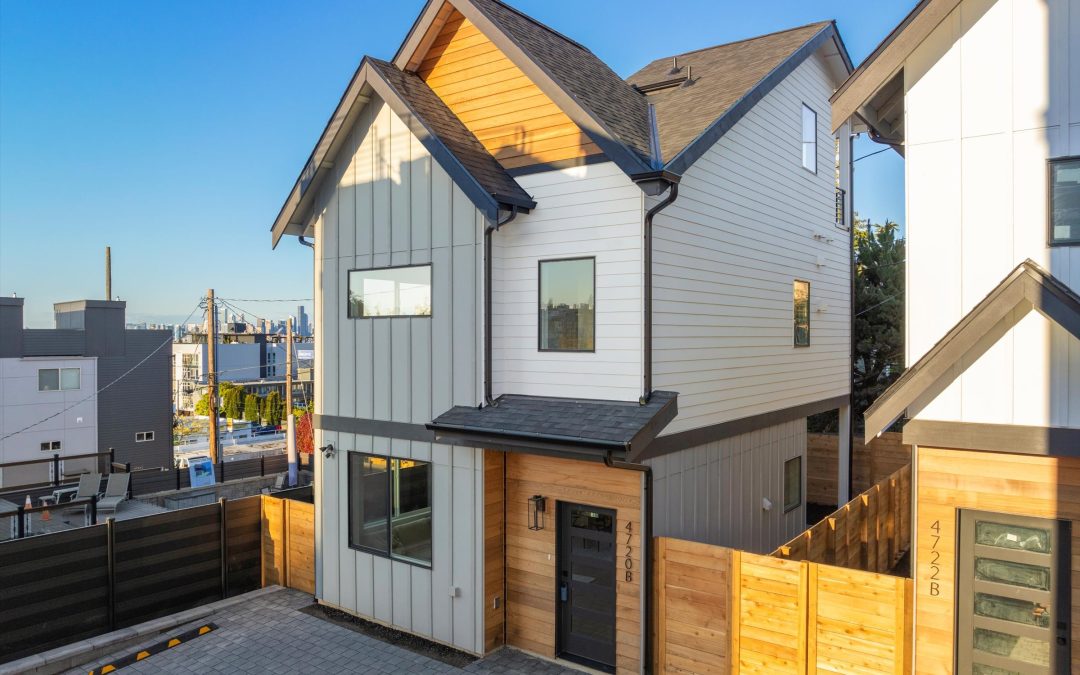
A Ballard DADU can create more living space, rental potential, and long term flexibility, but the best results depend on smart planning around tight lots, privacy, access, and site layout. T
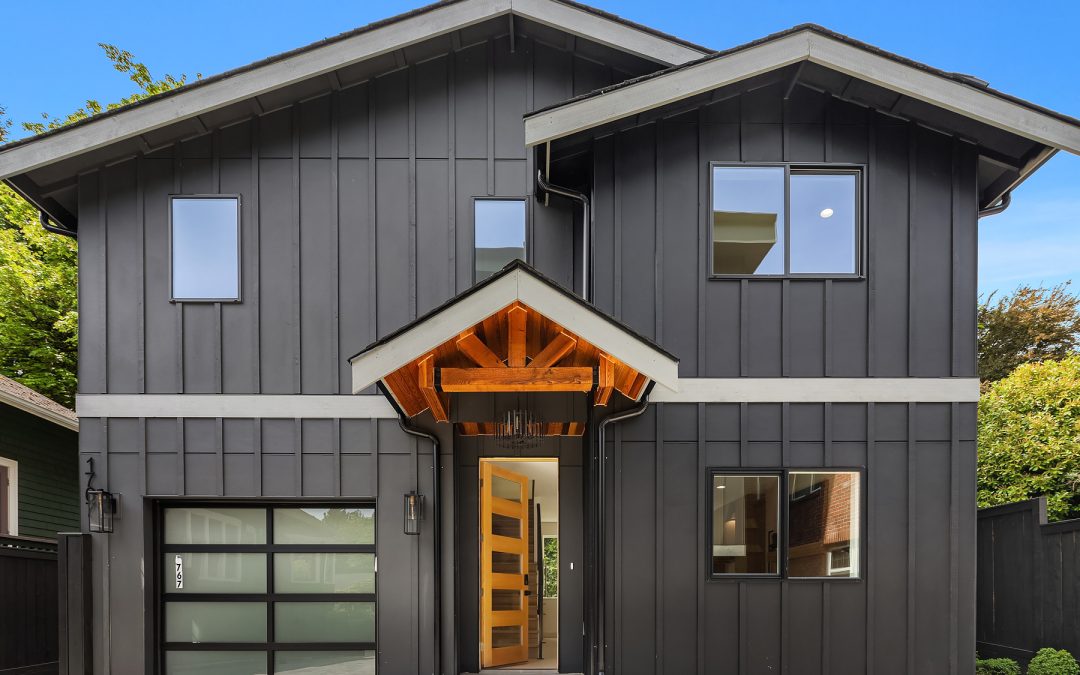
A Beacon Hill DADU often depends on careful planning around slope, drainage, access, and placement. This overview explains how site conditions can shape design, construction, and long term usability on sloped Seattle properties.

Custom home construction in Seattle combines personalized design, sustainable materials, and modern building practices through an efficient design-build approach. The process emphasizes energy efficiency, smart technology, and careful planning around zoning, permitting, and budgeting to create durable, high-quality homes suited to Seattle’s climate and architecture.
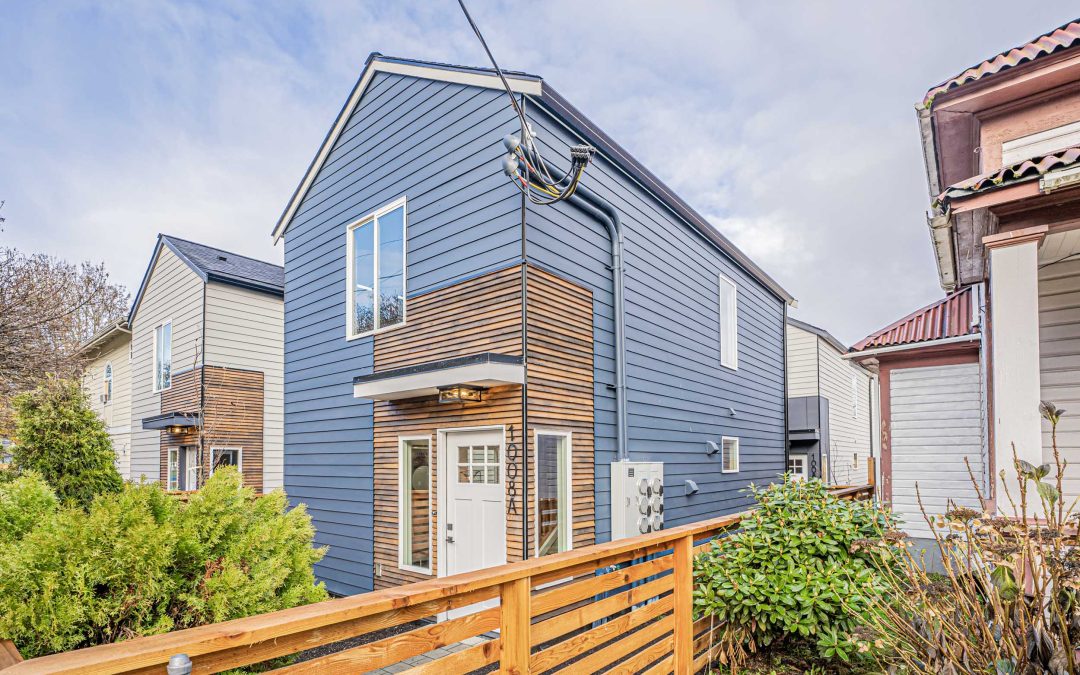
Seattle’s growing demand for backyard cottages, or Detached Accessory Dwelling Units (DADUs), reflects a shift toward flexible living and smarter land use. These compact, standalone homes provide privacy, rental income potential, and long-term value while meeting Seattle’s updated zoning and building standards. The article explains the full design-build process, from site planning and permitting to construction and sustainability practices, highlighting how expert DADU builders help homeowners create efficient, attractive spaces across neighborhoods like Magnolia, Queen Anne, and Madison Park.
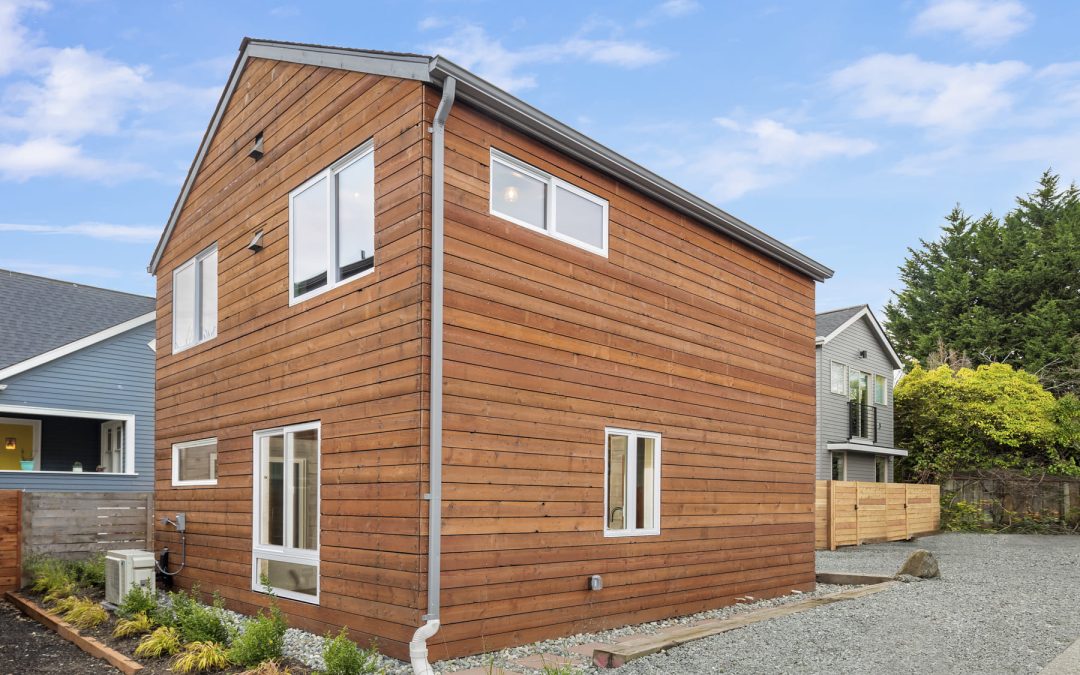
Seattle backyard cottages, or Detached Accessory Dwelling Units (DADUs), offer homeowners versatile space for family, guests, or rental income. Recent zoning changes in Seattle have made it easier to build these compact, efficient dwellings, which combine thoughtful design, sustainability, and architectural balance. With proper planning and expert construction, a backyard cottage can enhance comfort, flexibility, and long-term property value.

Seattle homeowners are increasingly adding Accessory Dwelling Units (ADUs) and backyard cottages to create more flexible living space and boost property value. With updated zoning rules and simplified permits, building an ADU or DADU has become a practical way to add rental income, accommodate family members, or enhance long-term housing options in the city’s growing neighborhoods.

Seattle ADU construction is reshaping the city’s housing landscape, creating new opportunities for homeowners while sparking debate over tree preservation and sustainable growth. As DADUs and backyard cottages become more common, Seattle continues to seek balance between increasing density and protecting its green spaces.
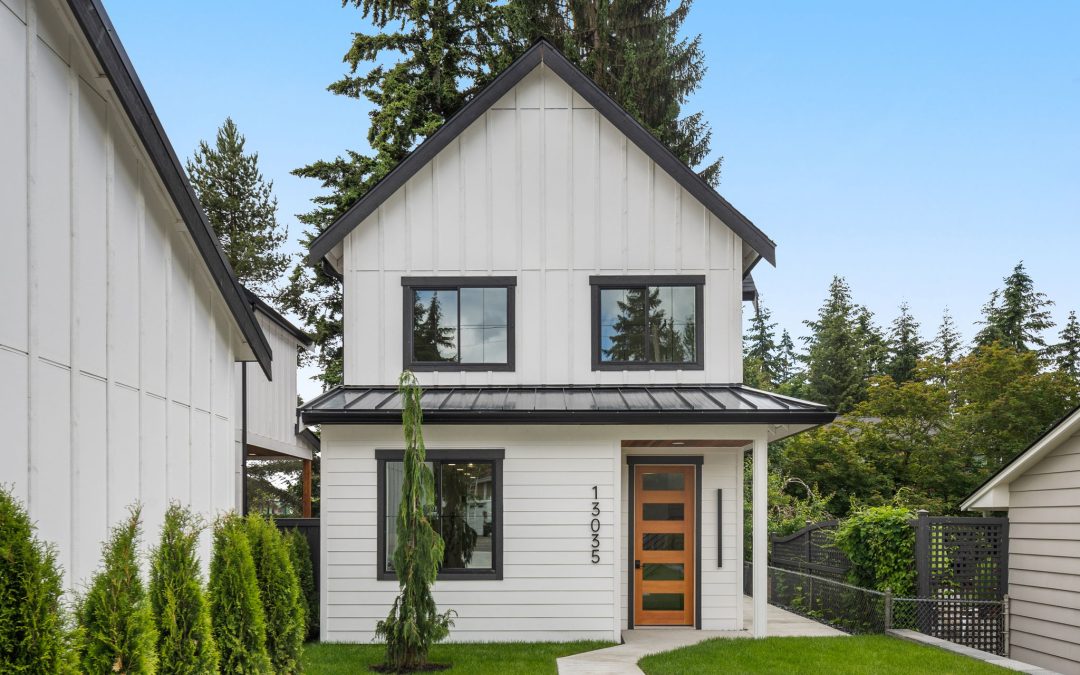
Seattle DADU cost in 2025 averages $350–$500 per square foot, with total budgets ranging from $180,000 for garage conversions to $600,000 for larger two-story units. Costs depend on site prep, design, permitting, and materials, but many homeowners see strong returns through rental income and increased property value.
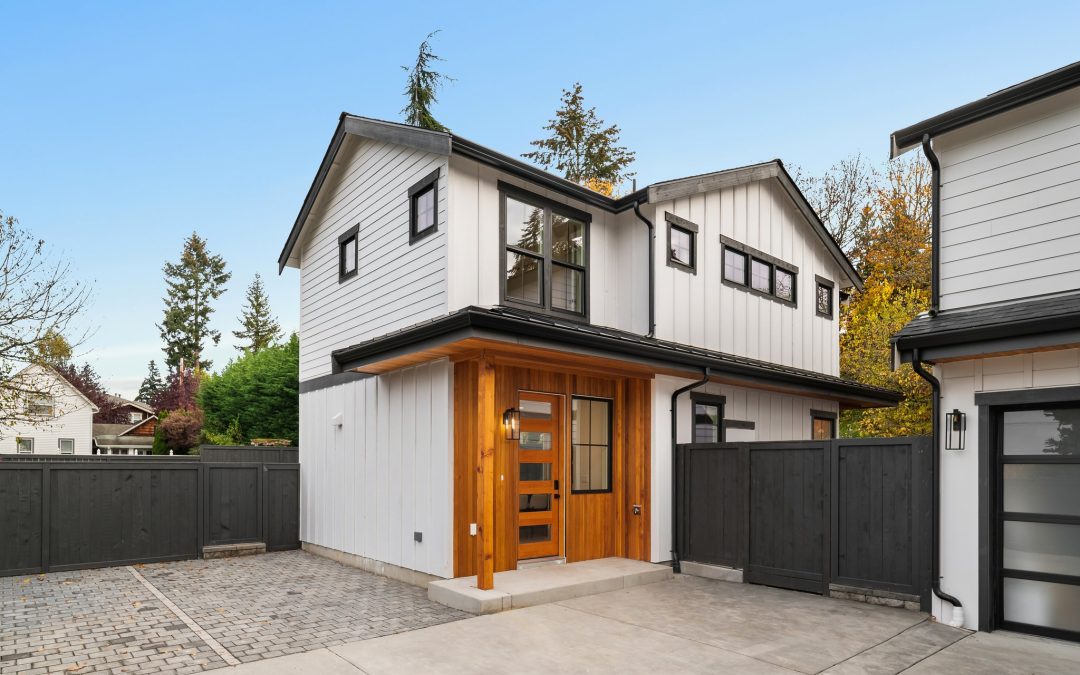
Seattle’s middle housing rules are reshaping residential development by allowing duplexes, triplexes, and fourplexes on single-family lots. DADUs remain a popular choice because they add value, rental income, and flexibility with less disruption than larger projects.

Seattle’s 2025 subdivision rules let Detached Accessory Dwelling Units (DADUs) become independent lots, expanding options for resale, financing, and long-term planning.
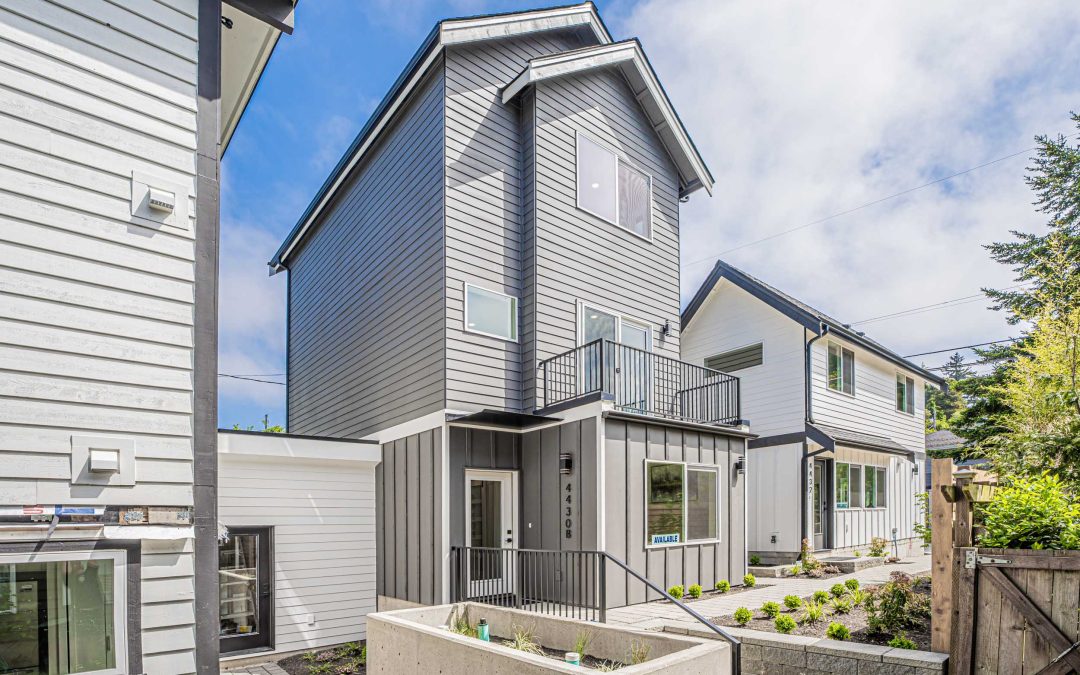
Seattle’s 2025 ADU rule changes make it easier than ever to add backyard cottages, basement units, and detached ADUs. Height limits are higher, fees are lower, and homeowners can now build two units per lot or even subdivide for resale. Discover how experienced ADU builders in Seattle help you navigate permits, design smarter layouts, and take full advantage of these new opportunities.
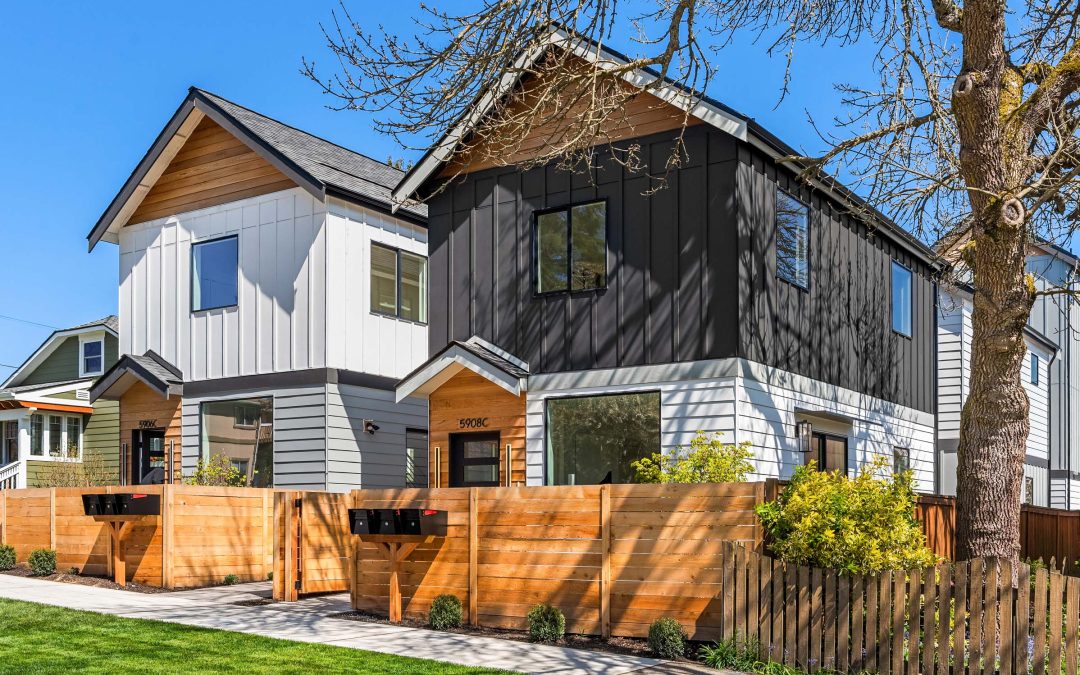
Building a DADU in Seattle involves more than simply adding a structure to your backyard. Zoning restrictions, permitting timelines, lot limitations, and strict energy codes all impact what you can build and how long it will take. Common missteps—such as choosing an incompatible floor plan, skipping soil evaluations, or hiring an inexperienced contractor—can delay the project and increase costs.

As of July 1, 2025, Seattle has enacted new DADU rules that allow up to two accessory dwelling units per residential lot, including two detached units. The updated code also increases allowable building heights, removes parking requirements near transit, and reduces street improvement fees. For the first time, lot subdivision is permitted with a DADU, enabling the potential for separate ownership. These changes aim to expand housing options, simplify permitting, and promote greater flexibility for homeowners, developers, and urban planners across the city.

A successful DADU build in Seattle takes planning, permitting, and expert coordination. Explore each phase—from design to final inspection—and offers insights to help homeowners, investors, and developers stay on track. Learn how to avoid common delays and take advantage of pre-approved floor plans to save time.
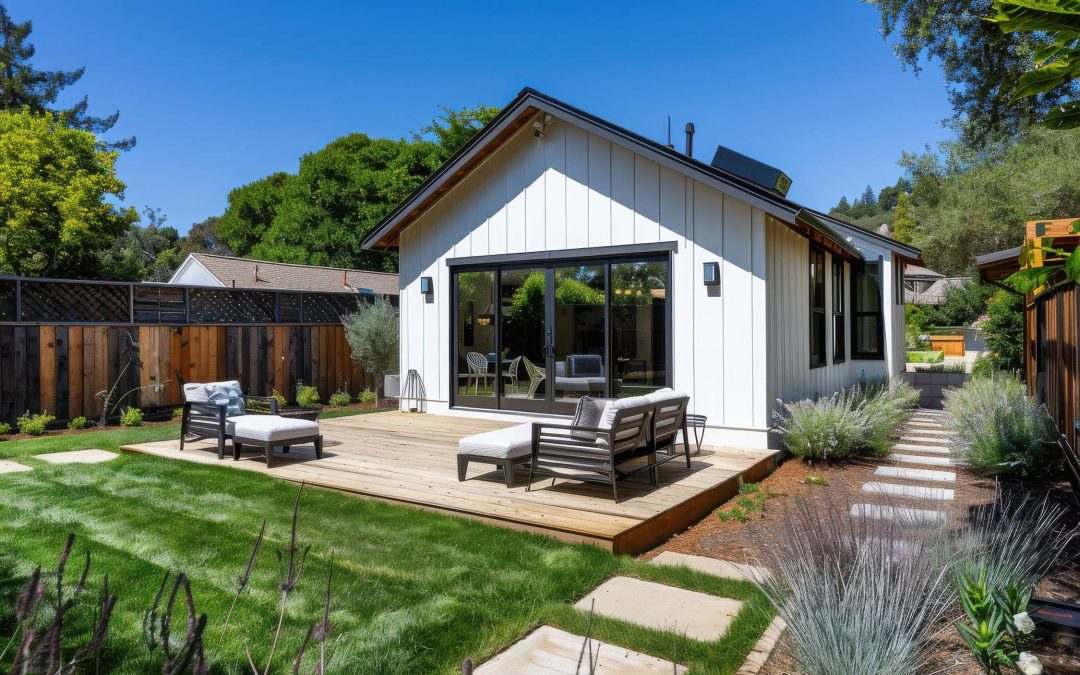
Seattle homeowners and property investors can choose from three primary ADU options: Detached Accessory Dwelling Units (DADUs), attached ADUs, and basement conversions. Each option offers unique advantages based on privacy needs, budget, property layout, and long-term goals. This content explores the costs, zoning regulations, permitting timelines, and ideal use cases for each type—helping readers identify the best fit for rental income, multigenerational living, or home office flexibility in Seattle’s evolving housing landscape.
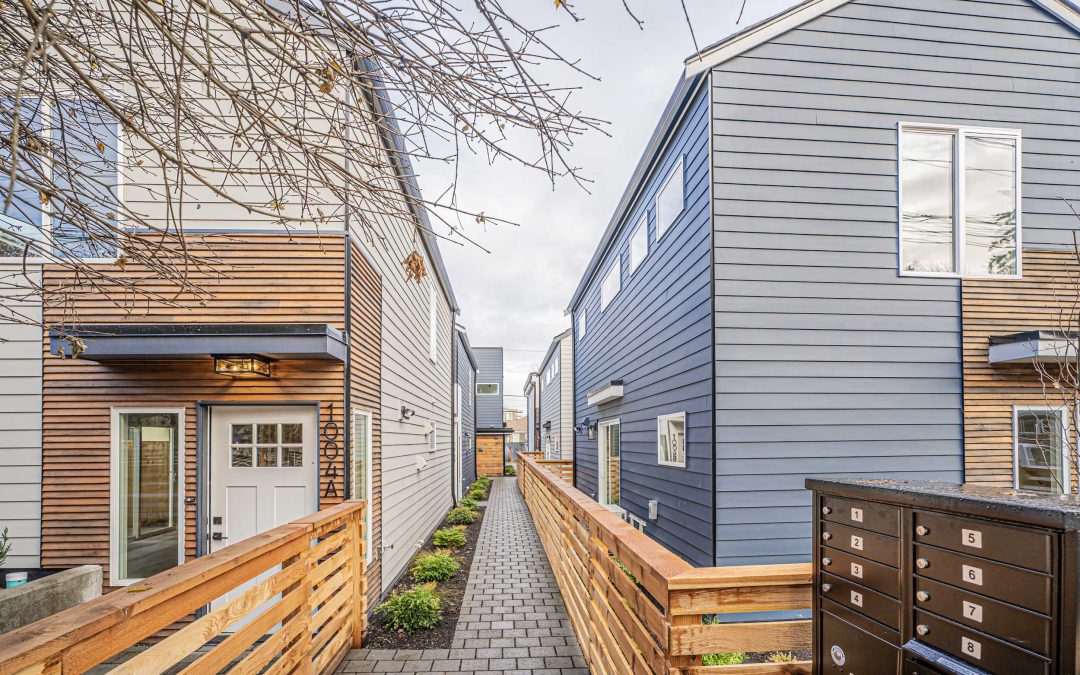
Seattle DADU floorplans have become more versatile and accessible in 2025, offering homeowners a wide range of layout options for rental units, multigenerational housing, and guest suites. With relaxed zoning rules and pre-approved designs, it’s easier than ever to build a detached accessory dwelling unit that fits your lot, budget, and long-term goals. From compact cottages to spacious single-level units, Seattle property owners now have the tools to maximize space and add lasting value.
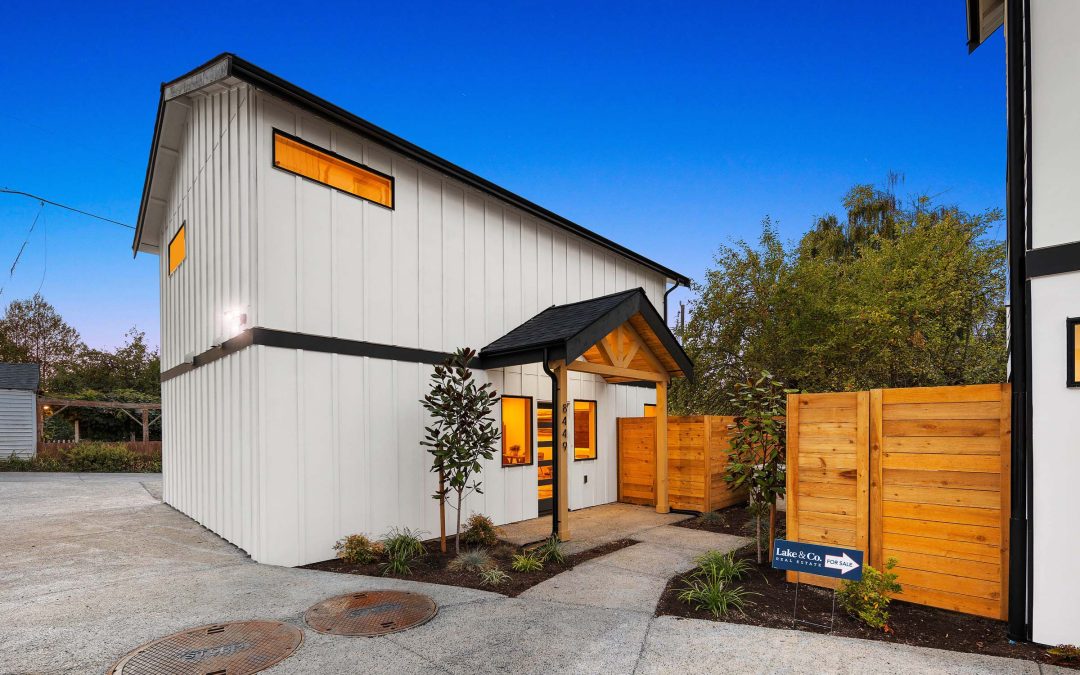
Urban residential zoning plays a major role in what kind of DADU you can build in Seattle. Learn how recent zoning updates impact design, placement, and approval—and how to plan a code-compliant DADU that fits your property and long-term goals.
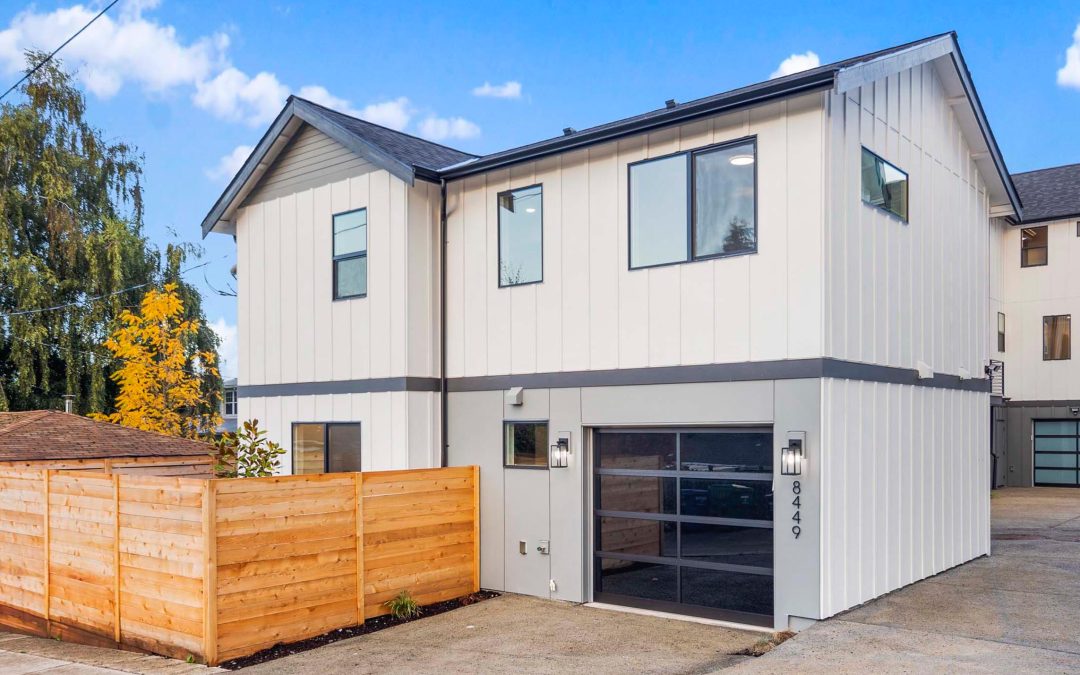
Seattle’s housing landscape is shifting, and Detached Accessory Dwelling Units (DADUs) are at the center of that change. These standalone backyard homes offer privacy, rental income, and long-term flexibility—all while helping homeowners make better use of their property. With zoning reforms and rising demand for affordable options, DADUs are becoming one of the smartest investments in Seattle real estate.

House Bill 1337 introduces major reforms to Washington’s ADU and DADU laws, removing owner-occupancy requirements, allowing two units per lot, and easing design and permitting standards. This post outlines how the law impacts Seattle property owners, supports infill housing goals, and creates new opportunities for rental income and multigenerational living. It also highlights why expert guidance remains essential when navigating zoning rules, site-specific conditions, and the permit process.
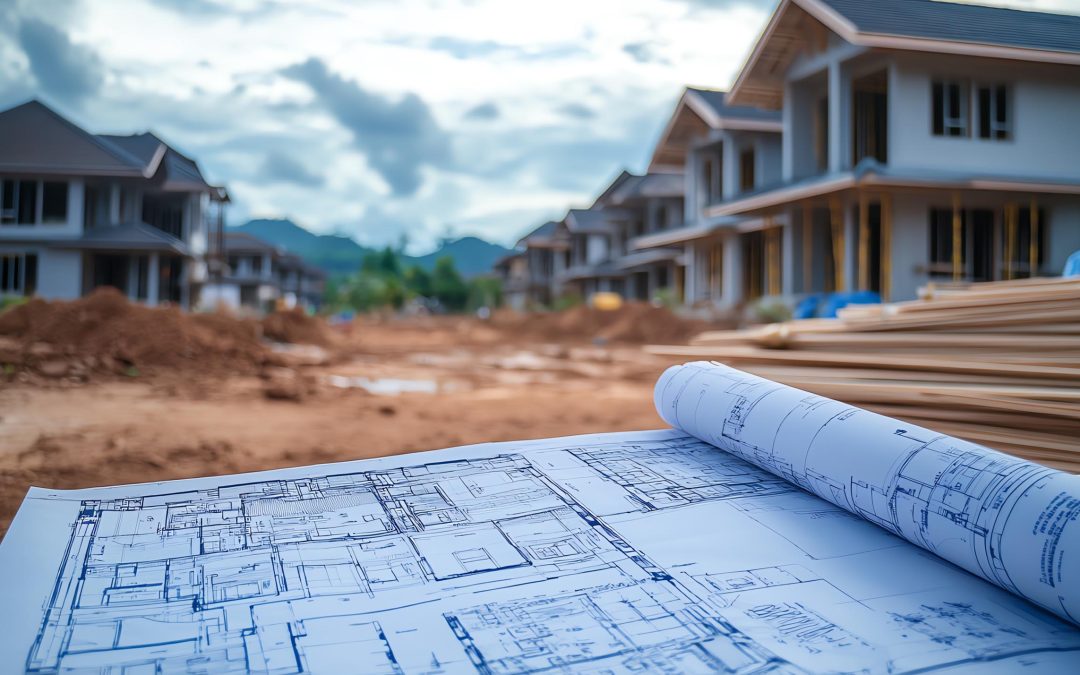
Seattle’s updated DADU permitting rules for 2025 allow two ADUs per lot, eliminate owner-occupancy requirements, and simplify design standards. This guide covers zoning eligibility, application steps with the Seattle Department of Construction & Inspections (SDCI), permit fees, and common pitfalls. It also highlights the advantages of using pre-approved DADU floorplans to speed up the process and ensure code compliance.
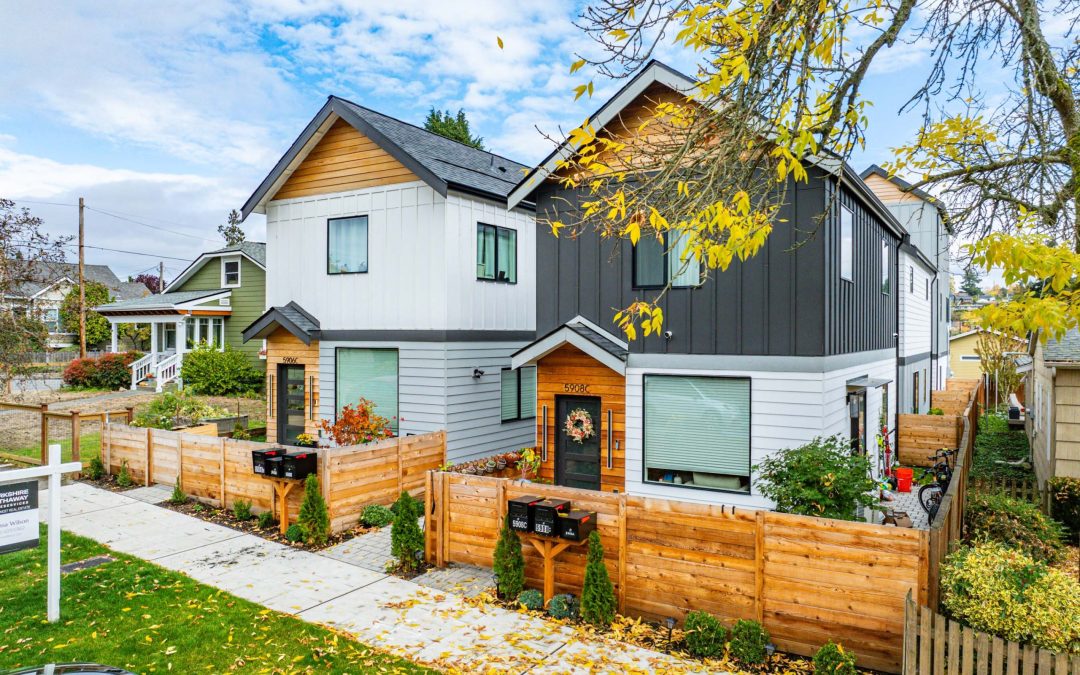
Seattle’s DADU construction rules are evolving in 2025, with House Bill 1337 and updated zoning laws removing key barriers like owner-occupancy and parking mandates. Homeowners now have more freedom to build detached units for rental income, multigenerational living, or added space—though rising construction and permit costs make expert planning essential.